Building Resilience: Support for Breast Cancer Survivors

Breast cancer is a life-altering diagnosis that affects not only the body but also the mind and spirit. Survivors often face a myriad of challenges, from physical recovery to emotional healing. Building resilience is crucial for navigating this journey, and support systems play a vital role in fostering that resilience. This blog post explores various strategies and resources available to breast cancer survivors, helping them reclaim their lives and thrive after treatment.

Understanding Resilience
Resilience is the ability to bounce back from adversity. For breast cancer survivors, this means developing coping strategies that enable them to face the emotional and physical challenges that arise during and after treatment. Resilience is not an innate trait; it can be cultivated through various practices and support systems.
The Importance of Resilience for Survivors
Emotional Well-being: Resilience helps survivors manage anxiety, depression, and fear of recurrence.
Physical Recovery: A resilient mindset can improve adherence to treatment plans and promote healthier lifestyle choices.
Social Connections: Building resilience often involves strengthening relationships with family, friends, and support groups.
Building a Support Network
A strong support network is essential for breast cancer survivors. This network can include family, friends, healthcare professionals, and support groups. Each plays a unique role in fostering resilience.
Family and Friends
Emotional Support: Loved ones can provide a listening ear and a shoulder to lean on during tough times.
Practical Help: Family and friends can assist with daily tasks, such as cooking or transportation to appointments.
Healthcare Professionals
Guidance and Expertise: Oncologists, nurses, and therapists can offer valuable information and emotional support.
Holistic Care: Integrative approaches, such as nutrition counseling and physical therapy, can enhance recovery.
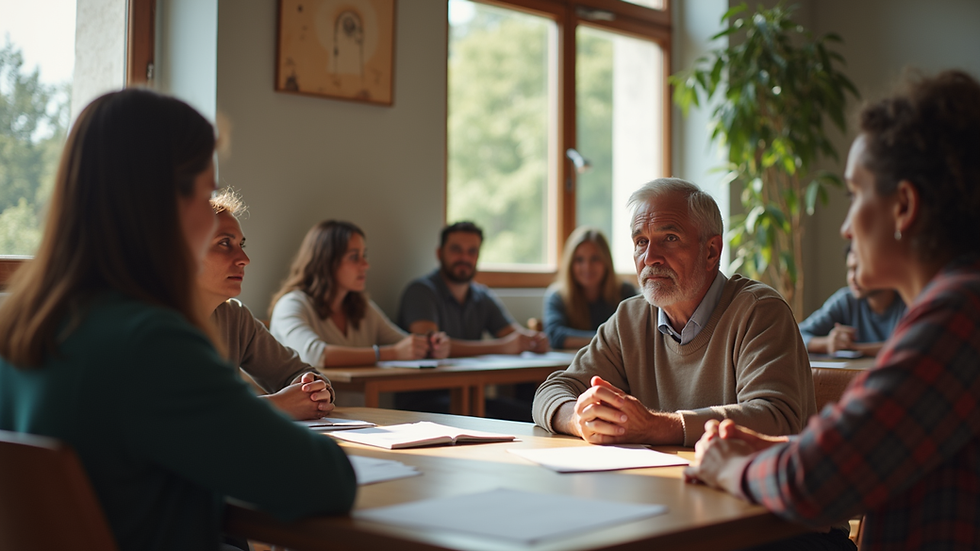
Support Groups
Shared Experiences: Connecting with others who have faced similar challenges can be incredibly validating.
Resource Sharing: Support groups often provide information on coping strategies, financial assistance, and local resources.
Coping Strategies for Survivors
Survivors can employ various coping strategies to build resilience. These strategies can be tailored to individual needs and preferences.
Mindfulness and Meditation
Practicing mindfulness and meditation can help survivors stay grounded and reduce stress. Techniques include:
Breathing Exercises: Simple breathing techniques can calm the mind and body.
Guided Imagery: Visualizing peaceful scenes can promote relaxation.
Physical Activity
Regular physical activity is crucial for both physical and emotional health. Survivors can benefit from:
Gentle Exercises: Activities like yoga and walking can improve mood and physical strength.
Group Classes: Joining exercise classes designed for cancer survivors can foster community and motivation.
Creative Outlets
Engaging in creative activities can be therapeutic. Survivors might explore:
Art Therapy: Painting, drawing, or crafting can provide an emotional release.
Writing: Journaling or writing poetry can help process feelings and experiences.
Nutrition and Wellness
A balanced diet plays a significant role in recovery and overall well-being. Survivors should focus on:
Whole Foods: Incorporating fruits, vegetables, whole grains, and lean proteins can support healing.
Hydration: Staying hydrated is essential for physical health and energy levels.
Seeking Professional Guidance
Consulting with a nutritionist or dietitian can provide personalized dietary recommendations that align with individual health needs.
Financial and Practical Support
Navigating the financial aspects of cancer treatment can be overwhelming. Survivors should explore:
Financial Assistance Programs: Many organizations offer grants or financial aid to help cover medical expenses.
Insurance Guidance: Understanding insurance coverage can alleviate financial stress.
The Role of Community Resources
Local organizations often provide valuable resources for breast cancer survivors. These may include:
Counseling Services: Professional counseling can help survivors cope with emotional challenges.
Workshops and Events: Many communities host workshops focused on wellness, nutrition, and resilience-building.
Personal Stories of Resilience
Hearing from other survivors can inspire hope and strength. Consider the story of Sarah, who faced her diagnosis with courage. After treatment, she joined a local support group where she found friendship and encouragement. Through shared experiences, Sarah learned to embrace her new normal and advocate for herself in her healthcare journey.
Conclusion
Building resilience is a vital part of the journey for breast cancer survivors. By fostering a strong support network, employing coping strategies, and seeking community resources, survivors can navigate the challenges of recovery with strength and hope. Remember, resilience is not about avoiding difficulties but about facing them head-on and emerging stronger. If you or someone you know is a breast cancer survivor, encourage them to seek support and explore the resources available to help them thrive.

Comments